
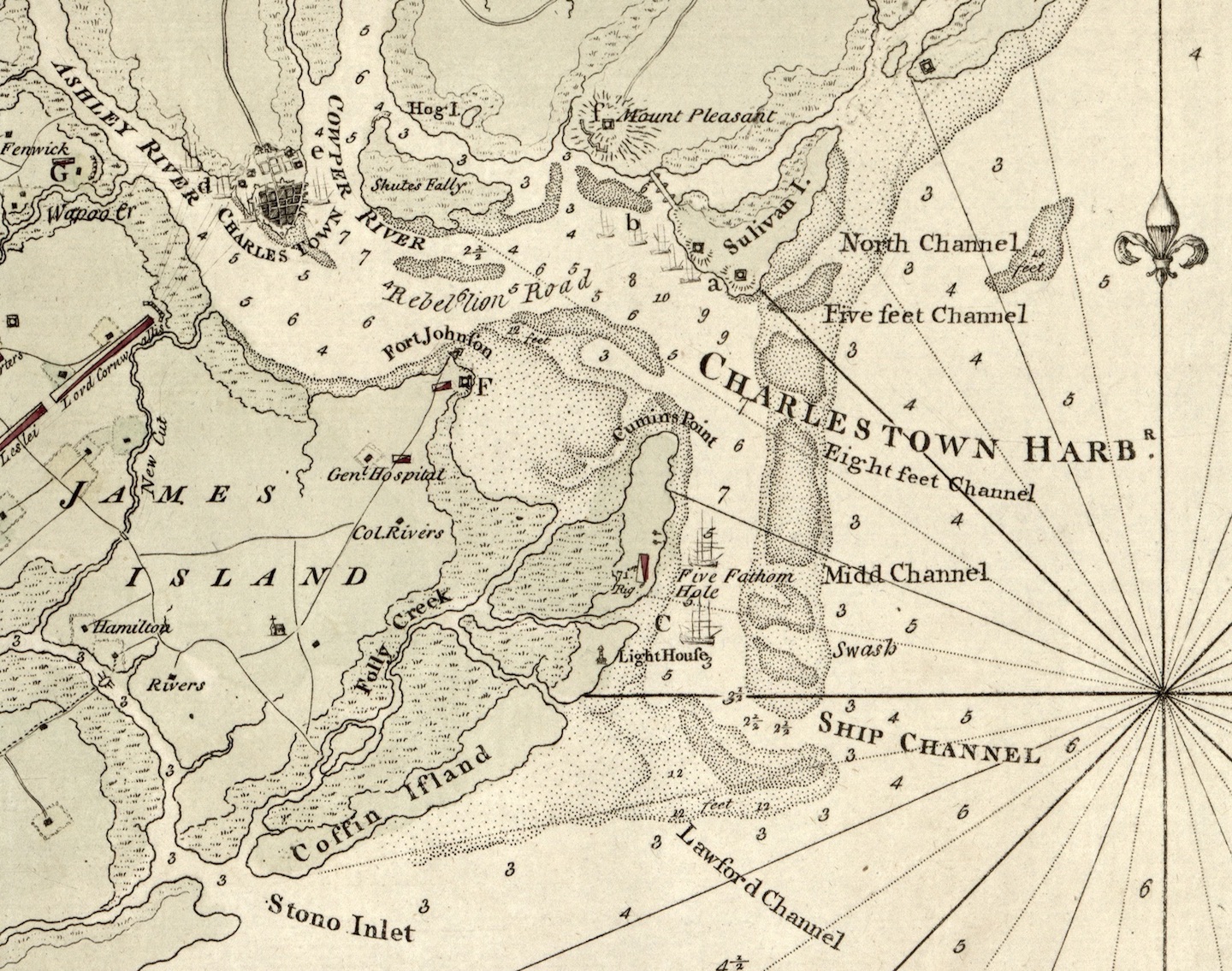
![1780 map of Charleston Harbor by George Sproule; from the Library of Congress.]](/sites/default/files/2026-04/1780_map_charleston_harbor_by_george_sproule_library_of_congress.jpg)
While the spirit of revolution percolated within the capital of South Carolina during the late summer of 1775, those loyal to the British Crown looked to the warship Tamar in Rebellion Road as a beacon of strength and security. Its power, like that of the colony’s royal governor, was fading precipitously, however, and their respective vulnerabilities became increasingly evident as the community’s appetite for political violence increased step by step.
Following the departure of His Majesty’s sloop-of-war Scorpion on July 4th, as described in the previous episode, the slightly-larger warship Tamar resumed its status as the sole British warship in South Carolina. The sixteen-gun vessel was moored in Rebellion Road, a deep anchorage three miles east of Charleston’s urban waterfront, approximately midway between James Island and Sullivan’s Island. Its assigned complement included fifteen marines and eighty-five seamen (two of whom were fictional “widows’ men” borne for charitable purposes). In the confusing state of quasi-war then subsisting between American colonists and representatives of the British Crown, the rebels in Charleston allowed a naval contractor to continue furnishing food and drink to the Tamar, but denied the warship access to maintenance facilities within local shipyards. Its canvas sails and hemp rigging, in the meantime, frayed under the subtropical sun, while boring worms and algae fouled the hull’s protective sheathing. Although chronic gout often confined Captain Edward Thornbrough to his bed, the sixty-three-year-old widower responded dutifully to orders from newly-arrived Governor Lord William Campbell.
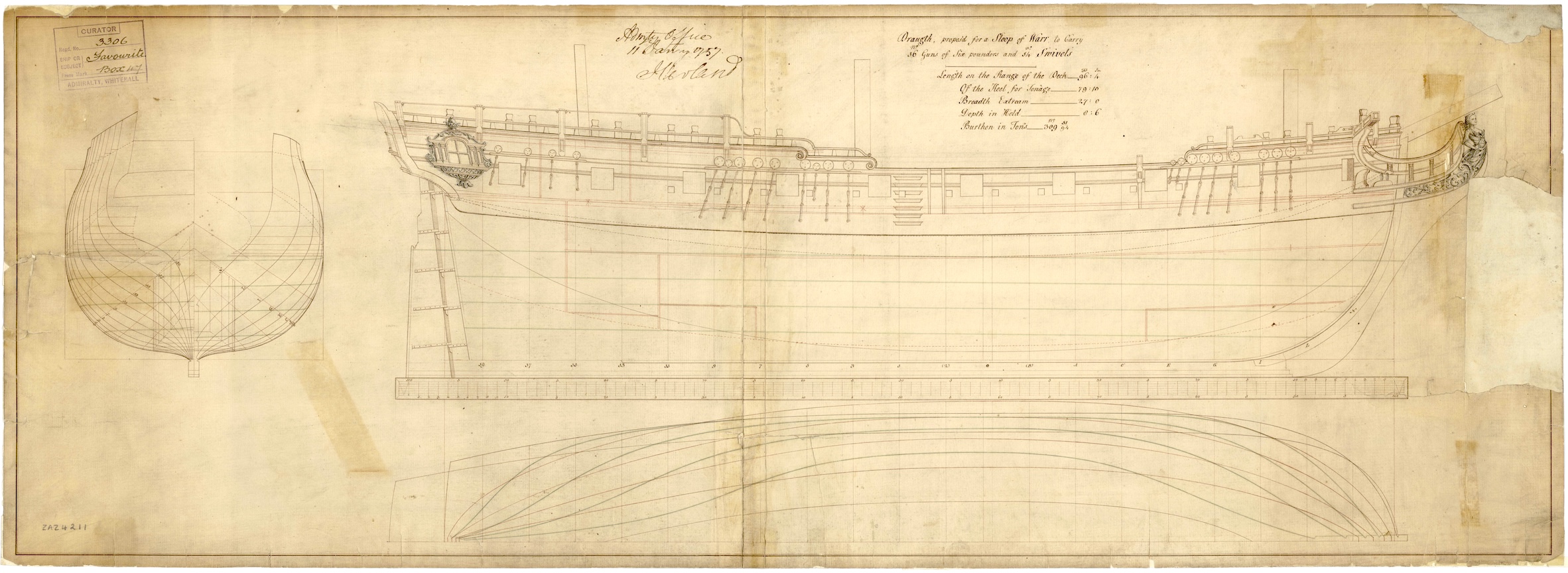
The Tamar’s primary role during the third quarter of 1775 was to safeguard the arrival and departure of trans-Atlantic vessels carrying packets of correspondence between various public officials. Four government “packet boats” assigned to South Carolina took turns making regular trips between the ports of Falmouth and Charleston, ferrying newspapers, private mail, and official correspondence. By departing Falmouth at roughly four-week intervals and each ship making three trans-Atlantic circuits per year, the snow-rigged packets provided Charlestonians of the 1770s with predictable monthly deliveries of the latest news from England.
The packet boat Sandwich had arrived at Charleston on July 2nd and immediately delivered its cargo of May mail to the Post Office on East Bay Street. After rebels forced their way into the mail room that evening and stole the latest bundles of government correspondence, Governor Campbell and his allies became fiercely protective of both the packet vessels and their sensitive cargos. Shortly after the robbery at the Post Office, Lord William ordered the Sandwich to anchor near the Tamar in Rebellion Road, “for her greater safety,” and directed Captain Thornbrough to keep an eye on the harbor’s entrance for the arrival of the next packet boat.
Meanwhile, American vessels continued to sail between the various colonies with little fear of British interference. On July 7th, for example, a commercial vessel from Rhode Island brought to Charleston news of the bloody Battle of Bunker Hill in suburban Boston on June 17th.[2] Details of the disastrous clash inflamed the spirit of rebellion spreading across the continent and frustrated Crown officials like Lord William Campbell. Although most of the British warships in American waters at that time were concentrated within Boston Harbor under Vice Admiral Samuel Graves, the commander-in-chief of His Majesty’s naval forces possessed insufficient resources to communicate with loyal allies spread along the broad Atlantic coastline. While Governor Campbell waited impatiently for private letters from Admiral Graves or General Thomas Gage, military governor of Massachusetts, he turned to face his constituents in what became the final session of the South Carolina Royal Assembly.
At the State House on Monday, July 10th, Campbell welcomed the elected representatives composing the provincial Commons House of Assembly with the customary session-opening speech. His text espoused a desire to maintain neutrality between the king’s ministers in London and disgruntled colonists in America, but the governor also acknowledged the weakness of his position. During his brief tenure in Charleston that summer, Campbell had personally witnessed “the legal administration of justice obstructed, government in a manner annihilated, the most dangerous measures adopted, and acts of the most outrageous and illegal nature committed publickly with impunity.”[3] In spite of such irregularities, Lord William expressed hope that the colony’s elected representatives would perform their duty to king and country by conducting the necessary business of civil administration.
The members of the Commons House, most of whom also served in the shadowy, extra-legal South Carolina Provincial Congress, responded to Campbell’s royalist rhetoric with strident pledges to uphold the rights of American colonists, who, in their opinion, acted justly to resist the arbitrary dictates of a malignant British ministry. During the ensuing days, the Commons House continued to assemble within their spacious chamber at the northwest corner of Broad and Meeting Streets, but ignored the governor’s instructions and conducted no public business. Campbell summarized his opinion of this futile scenario on July 19th, in one of his many letters to the Earl of Dartmouth, the British Secretary of State for the American colonies:
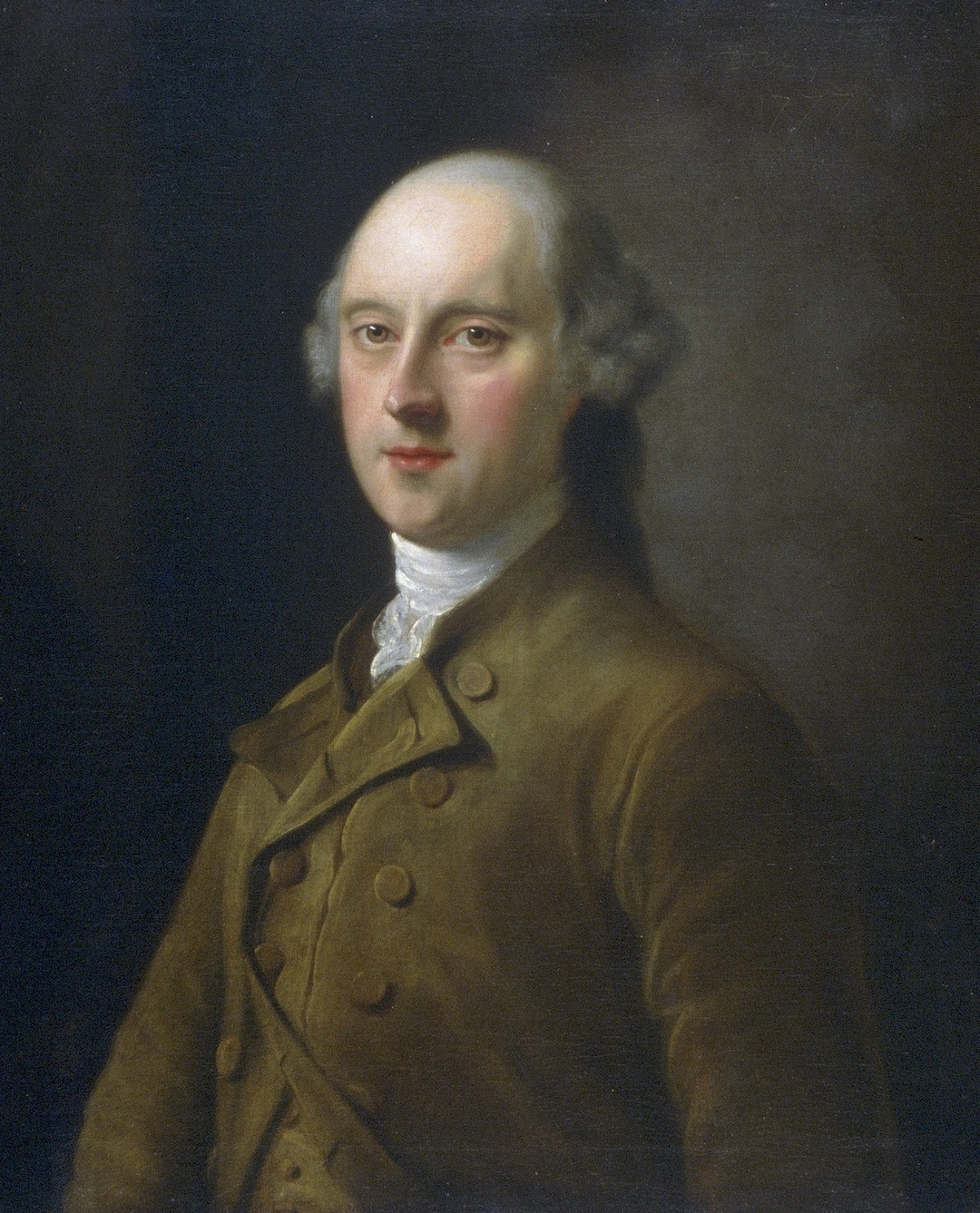
“I cannot fall on a more effectual method to embarrass the [rebel] faction than suffering the Assembly to sit some little time longer, and putting it in their power to complete the necessary business of the province, if they choose it, which I do not expect, as I am convinced they do not wish at present to have even the appearance of a legislature. They are ripe for any violence, and I am determined whatever is done shall be acted before them; in fact, it will be their own deed, as the Assembly, almost to a man, are members of the [Provincial] Congress and [General] Committee. No subterfuge should be left [to] them; things are come to such a pass, my Lord, that the whole world ought to know that the present measures proceed not from a mob fired by oppression, but that they are the result of a concerted plan and firm determination of a powerful party to establish an independency by acts as unprovoked as they are unjustifiable. It is with real sorrow I write this of a people with whom I am so connected, but my duty, my honor, and the trust reposed in me by my sovereign, obliges me to be explicit. I did hope the madness had not gone so far, but I meet with nothing but violence and frenzy, where I flattered myself I should have found temper and moderation.”[4]
Later the same day, as the governor and his secretary, Alexander Innes, prepared copies of various letters to government officials in London, they heard rumors that “a posse were assembled on the Bay” to seize Campbell’s letters when Innes delivered them to the packet boat. The governor then wrote to Captain Thornbrough requesting he send an armed boat from the Tamar that night “to carry Mr. Innes with the letters, that he may see them safe.” Hours later in Rebellion Road, under the cover of darkness, Thornbrough noted in his log the arrival of the government’s outgoing mail “for protection,” as he remarked, “they fearing the Provincials would seize it.”
Both the governor and his secretary were justified in their apprehensions of interference, as the rebel alliance then coalescing in South Carolina grew bolder by the week. On July 21st, the General Committee in Charleston distributed printed orders to all white men within the capital who had not yet signed the Association, a pledge of allegiance to the rebel cause approved by the Provincial Congress in early June. The relatively small number of nonsubscribers, including all men holding Crown appointments within the colonial government, were summoned to appear before the rebel Committee at the State House the following day to explain their resistance. When George Milligen, Chief Surgeon to His Majesty’s garrisons in South Carolina, informed Governor Campbell that he had “no inclination to give any countenance to their assumed power by attending,” the cautious Lord William advised the doctor and his loyal colleagues “to submit to force [they] could not resist.” Campbell then wrote to Captain Thornbrough, asking him to hold the outgoing mail aboard the Tamar and detain the packet Sandwich for a few more days, in case the rebel interviews with the king’s officers produced results worthy of notice in London.[5]
In a long session held on Saturday, July 22nd, dozens of South Carolina’s leading rebels gathered at the State House to quiz twenty-odd affluent loyalists about their reluctance to sign the anti-government Association. Despite threats of tar-and-feathering and potential banishment from the province, the king’s officers refused to abandon their principles, and all exited the lengthy proceedings with their freedom intact. The members of the Committee did not immediately articulate the punishments intended for the loyalists, and spent the ensuing weeks debating the fate of various nonsubscribers.[6]
Not amused by the rebels’ interrogation of Crown officers, Governor Campbell composed another letter to the Earl of Dartmouth before sending the packet boat Sandwich on its way. “I am much mortified and distressed at not hearing from General Gage,” wrote Lord William on July 23rd. “Six weeks are now elapsed since the engagement at Bunker’s Hill, and no account of that affair that can be in the least depended on has yet arrived here. It is hardly possible to conceive a situation more irksome than mine is at present, scarce a shadow of authority left, but I am resolved to keep my ground as long as possible.”[7]
By that time in late July, however, local rebels had very publicly armed a pair of pilot boats (small schooners) to execute clandestine operations designed to procure arms and ammunition, contrary to the king’s prohibition of such activity. Governor Campbell now feared the rebel schooners might attack the Sandwich as it exited the harbor, or lie in wait near the bar for the arrival of the next packet boat. To deter such interference, Governor Campbell ordered Captain Thornbrough to escort the Sandwich out of the harbor and off the coastline, then anchor outside the bar and await the arrival of the next packet from England.[8]
Both the Tamar and Sandwich unmoored on the morning of July 25th and sailed approximately four miles to the east and south, anchoring in Five Fathom Hole to await favorable conditions to cross the bar. Persistent heavy rains forced the pair back to the safety of Rebellion Road the following day, but clearing skies on the morning of July 27th revealed a new vessel—the packet boat Eagle—riding at anchor just outside the bar. Captain Thornbrough immediately dispatched an armed boat with his second-in-command, Lieutenant Joseph Peyton, to take possession of the incoming June mail. Peyton and his crew returned to the Tamar with the mail later that afternoon, followed by the Eagle, which crossed the bar and anchored near the resident warship before sunset. At midnight, mariners rowed Governor Campbell and the local Post Master, George Roupell, from the Charleston waterfront to the Tamar in Rebellion Road to sort the incoming mail and “secure the government dispatches.” Their work continued by candlelight until the dawn of July 28th, at which time Lieutenant Peyton returned the remainder of the incoming mail to the packet.[9]
Hours later, the hired sloop Charlotte arrived unexpectedly from Boston, carrying long-delayed dispatches from Admiral Samuel Graves. Captain Thornbrough was undoubtedly pleased to hear from his superior officer, the first such communication since early spring, but he had little reason to expect positive news. In a letter dated May 21st, Admiral Graves confirmed “that there was an end to all correspondence by land,” and regretted that the difficult political situation in New England constrained his ability to send dispatches by sea to the Southern provinces. Thirteen of His Majesty’s colonies in North America had now united in a general rebellion, but Graves could only advise the captain of the Tamar to stand his ground. He instructed Thornbrough to support and protect the king’s civil officers and loyal subjects, “but not to act offensively [against the rebels] except for the immediate preservation of his Majesty’s ship . . . or upon the special requisition of the civil magistrates, or in cases of the utmost danger.” Although the admiral acknowledged that the Tamar was in a poor state of repair, he was powerless to offer immediate aid, pledging only “to send a ship or sloop to relieve him as soon as possible.” “In the mean time,” Graves advised Thornbrough “to be upon his guard, to have his Majesty’s sloop under his command in constant readiness for action, and to keep his provisions compleat.”[10]
The sloop Charlotte also brought a second letter from Admiral Graves, dated June 29th, which simply forwarded, per instructions from the Board of Admiralty, official copies of two Acts of Parliament restraining American commerce (i.e., the two “Restraining Acts” of 1775, ratified on March 30th and April 13th, respectively), and a renewal of king’s 1774 Order in Council prohibiting the importation of arms and ammunition into America.[11]
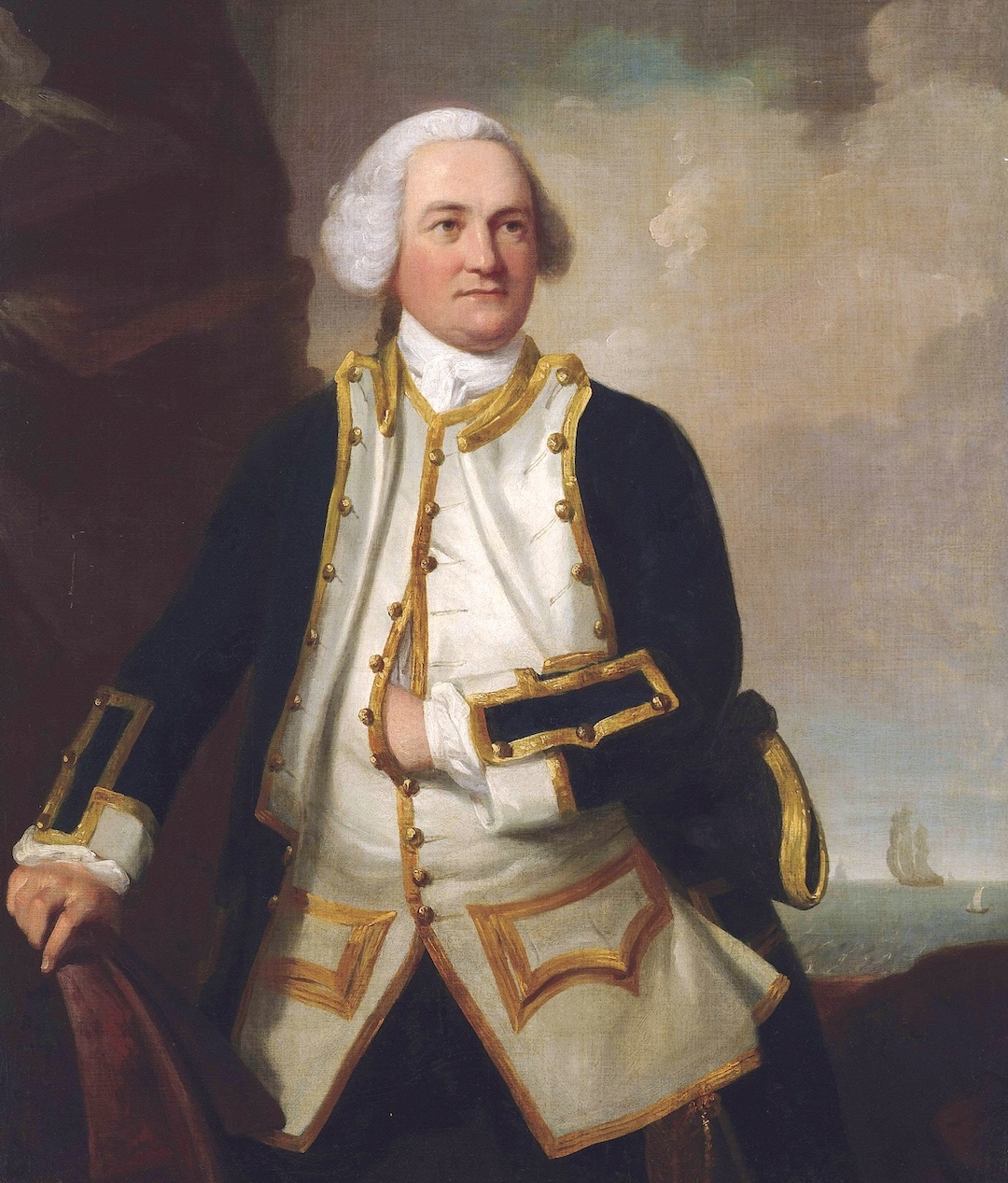
In response to these deliveries, Captain Thornbrough wrote a brief letter to Admiral Graves on July 29th, confirming that South Carolina was “now in an actual state of rebellion,” and that he was supporting Governor Campbell’s efforts to protect their channels of communications with England. The old mariner also recited a list of defects in the sloop-of-war Tamar, but he did not dwell on his want of assistance, knowing that his fellow naval officers posted elsewhere along the continental coastline endured similar shortages.
Thornbrough shared his mail from Admiral Graves with Governor Campbell, who also tasked the master of the Charlotte to carry a letter to General Gage at Boston. “Since the departure of the Scorpion,” wrote Lord William on July 29th, the rebels in Charleston “have proceeded to fresh acts of violence, and all legal government is now at an end.” Campbell acknowledged receipt of Parliament’s two restraining acts and the king’s prohibition against importing arms and ammunition, but offered a blunt assessment of their current value: “As we cannot enforce them, they are just so much waste paper.” “The only sloop of war we have here,” he continued, referring to the Tamar, “I must be under a necessity of sending out with the packet for England, to see her safely clear of the coast, as there are two armed vessels, one of them fitted out in this harbour, now waiting to seize the mail with my dispatches to government.”[12]
The Tamar unmoored from Rebellion Road at dawn on the last day of July and escorted the sloop Charlotte towards the bar. After the sloop exited the harbor that afternoon, Captain Thornbrough brought the warship back to an anchorage in the roadstead. Stormy weather and maintenance issues delayed the king’s mariners for a further week, but the Tamar finally weighed anchor on the morning of August 7th and escorted the packet boat Sandwich out of the harbor. Beyond the bar, the two vessels paused briefly while crewmen transferred the outgoing mail from the warship to the packet. The pair then sailed east by south fifty odd miles towards the powerful Gulf Stream current, at which point the Tamar saluted the Sandwich and turned about to the west. Outside the bar of Charleston Harbor on the morning of August 10th, an unidentified pilot boarded the Tamar and guided the ship back to an anchorage in Rebellion Road.
The birthday of the Prince of Wales on August 12th obliged all Crown officials, on land and sea, to mark the royal occasion with some manner of ceremony. While mariners aboard the Tamar exercised their cannons and “fired at a target,” for example, the guns of Fort Johnson on James Island discharged the customary royal salute. The fort’s chief gunner and de facto commander, an old seaman named George Walker, went to town that afternoon and was overheard toasting epithets about unpatriotic rebels who ignored the prince’s birthday. In a rage of improvised malice, a large mob accosted Walker, subjected him to a sham trial, covered him with a coat of tar and feathers, and paraded him through the streets of Charleston. Along their route, the boisterous crowd paused before the house of each of the various Crown officers, shouting threats of similar punishment for all who refused to sign the rebel Association. George Walker, battered and bruised by the ordeal, returned to his post at Fort Johnson that evening, but later sought refuge aboard the king’s warship in the harbor.[13]
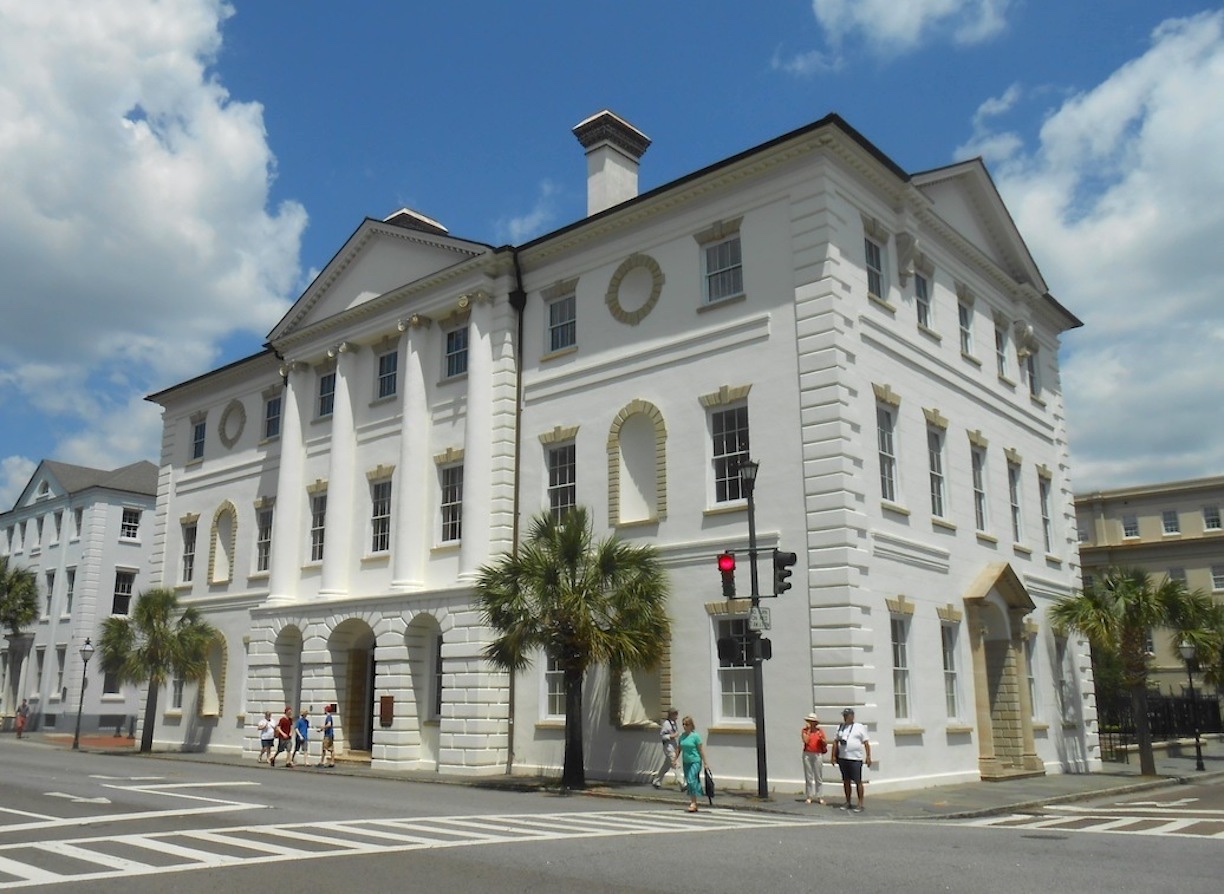
Coincident with the violent spectacle on the prince’s birthday, the rebel General Committee in Charleston again summoned non-Associators to a confrontation at the State House later in the week. The king’s civil officers now faced the prospect of banishment or perhaps a rougher treatment than tar and feathers, instilling fear among those reporting directly to Governor Campbell. George Milligen, the king’s chief surgeon in the colony, again sought the counsel of Lord William, who offered the same opinion as the doctor’s close friends. Campbell advised Milligen “that it was necessary . . . to leave the province,” and recommend he “go on board his Majesty’s ship Tamar, then in Rebellion Road, the only asylum for His Majesty’s faithful persecuted subjects.” On the morning of Monday, August 15th, Dr. Milligen bid farewell to his wife and family, walked to the State House, repudiated the rebel Association, and adjourned to a canoe waiting in the Cooper River. At noon he climbed aboard the Tamar, where he was “very politely received by Captain Thornbrough.”[14] In the succeeding days and weeks, other loyalists followed Milligen’s maritime route to political sanctuary.
Governor Campbell conferred with members of his advisory Council on the day of Milligen’s exodus and dictated a message to the dysfunctional Commons House of Assembly, imploring them to enforce the rule of law against the ongoing campaign of violent intimidation against anyone expressing loyalty to the British government:
“In a word, gentlemen, you well know the powers of government are wrested out of my hands; I neither can protect nor punish: Therefore, with the advice of His Majesty’s Council, I apply to you, and desire that, in this dreadful emergency, you will aid me with all the assistance in your power, in enforcing the laws, and protecting His Majesty’s servants, and all other peaceable and faithful subjects, in that quiet possession of their liberty and property, which every Englishman boasts it is his birth-right to enjoy; or you must candidly acknowledge that all law and all government is at an end. Sorry am I to add, that some particular insults offered to myself, makes it necessary that I should be assured of the safety of my own family, and that its peace is not in danger of being invaded.”[15]
The Commons House, in turn, responded with a message politely defending their vigilance against the perceived injustices of British colonial policy. As for the safety of the governor and his family, the House assured Campbell that he had nothing to fear, so long as they maintained a neutral course of “wise and prudent conduct.”[16]
Having terrified the king’s officers and effectively silenced political dissent within Charleston by mid-August, leaders of the increasingly powerful rebel faction focused their attention on the specious legal case against Thomas Jeremiah. The prosperous free Black citizen had, for two decades, made a comfortable living as a ship pilot for the bar of Charleston Harbor, but his alleged criticism of the nascent rebellion in June 1775 stoked fear within the community’s white minority. Some residents believed Jerry, as he was generally known, might be or could become the leader of a rumored Black plot to instigate racial violence to overturn the balance of power. He was arrested, interrogated, and released several times during the summer before rebel authorities confined him to the provincial Work House, standing near the southwest corner of modern Logan and Magazine Streets. Despite faulty evidence, a lack of due process, and fervent pleas for mercy from Governor Lord William Campbell, rebel agents hanged Thomas Jeremiah on August 18th and burned his mortal remains on the Work House green.[17]
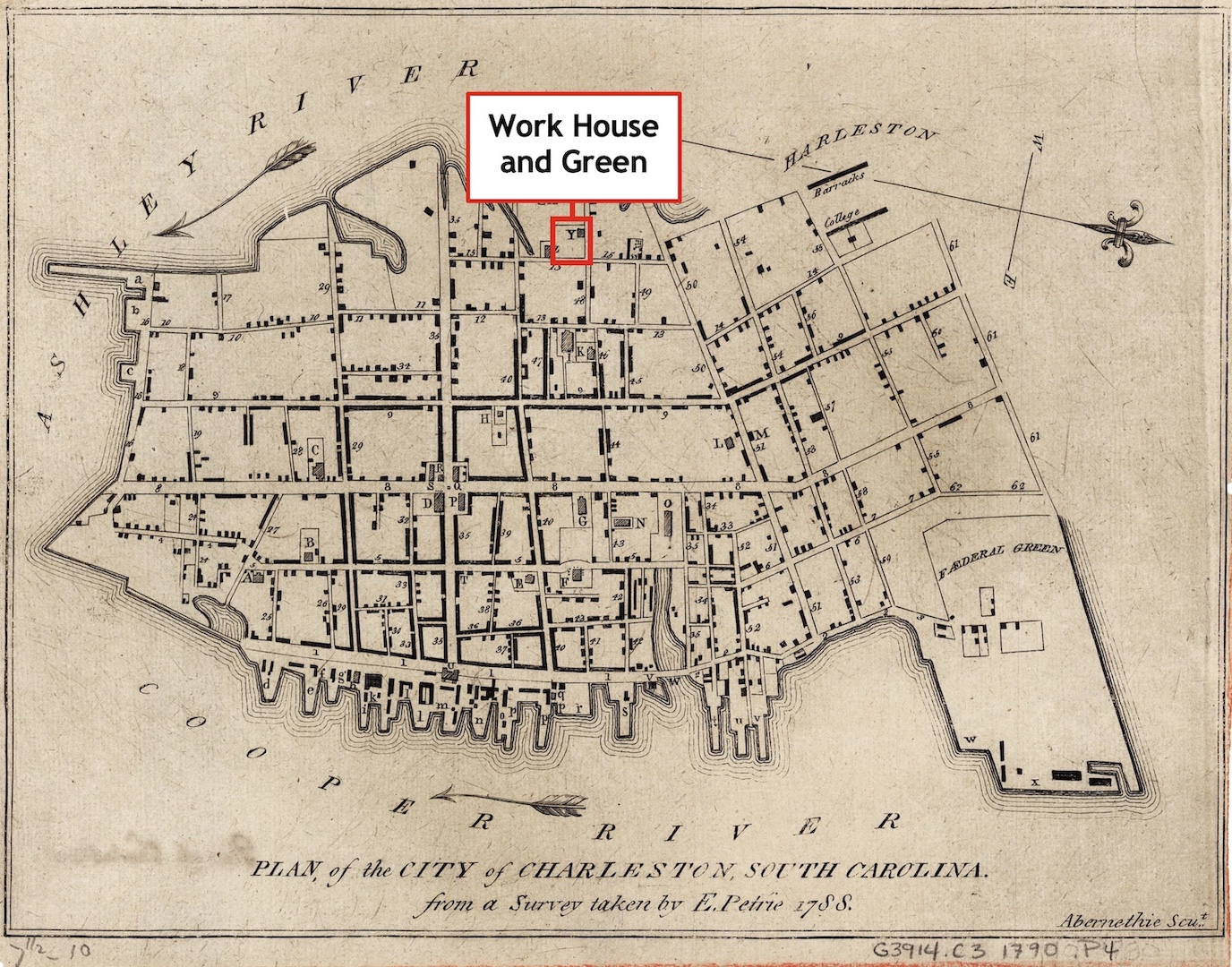
In a long letter to the Earl of Dartmouth, written the day after the execution of Thomas Jeremiah, Governor Campbell expressed profound sadness for the unjust fate of the Black pilot. “I could not save him my Lord! The very reflection harrows my soul! I have only the comfort to think I left no means untried to preserve him. They [i.e., the rebels] have now dipt their hands in blood, God Almighty knows where it will end, but I am determined to remain till the last extremity in hopes to preserve the King’s Service, ’tho my family’s being here, adds not a little to my distress.” The British ministry’s “total neglect” of South Carolina, said Campbell, undermined his ability to dispel the sense of gloom rapidly spread across the colony. “The friends of government here have been so sunk, so abandon’d to despair, for some time, that it is hardly possible to make them believe the British Nation is determined to assert their just rights over the colonies.” “We are now in such a situation [that] I cannot attempt to send duplicates of my last letters, as I must be under the necessity of letting the mail take its chances in a defenceless packet boat, for I cannot in our present state send the poor solitary worm eaten sloop we have got here out of the harbour, as I may now expect the next packet every day.”[18]
Rebel agents tracking the governor’s movements observed Lord William traveling by boat to the Tamar on August 20th, at which time he delivered a bundle of his correspondence to government officials in London. Officers from the warship then transferred Campbell’s outgoing mail and loyalist refugees like Dr. George Milligen to the packet boat Eagle, which traversed the bar on the morning of August 22nd and sailed for England without the benefit of a protective escort from the ragged sloop-of-war.[19]
During the final, sultry week of August 1775, Charlestonians witnessed a period of calm before the gathering storm of revolution. Since early July, the elected members of the South Carolina Commons House of Assembly had gathered briefly every weekday morning and then adjourned without conducting any business. Their sullen pantomime of sustaining the colony’s royal government became an irrelevant burden as the summer progressed, however, and eventually collapsed under the combined weight of Charleston’s political and subtropical climates. Speaker of the House Rawlins Lowndes called to order and adjourned their ghost assembly for the last time on Wednesday, August 30th, after which most of the capital’s white male population pitched their means and muscle behind the maturing shadow government.
The quiet evaporation of the Commons House of Assembly at the end of the month did not escape the notice of the South Carolina’s royal governor. In another long letter to the Earl of Dartmouth, mostly lamenting the unjust trial of Thomas Jeremiah, Campbell drew the earl’s attention to the fragility of his own situation. “It is now near nine weeks since Captain Tollemache sailed for Boston in the Scorpion and I have not had a single line from General Gage or the Admiral [Graves]. I did not expect the General could at present spare troops, but I flattered myself a ship or two might have been sent, and that this important province would not have been left to the care of one poor solitary worm-eaten sloop. The vessels the rebels have lately fitted out have already robbed different ships at sea of 20 ton[s] of gunpowder, and every day vessels are pouring in arms and ammunition from the French and Dutch islands.” In short, as Campbell informed the earl, “your lordship will easily conceive that things are hastening fast to that extremity which will in all probability oblige me to withdraw from Charleston to avoid fresh indignities.”[20]
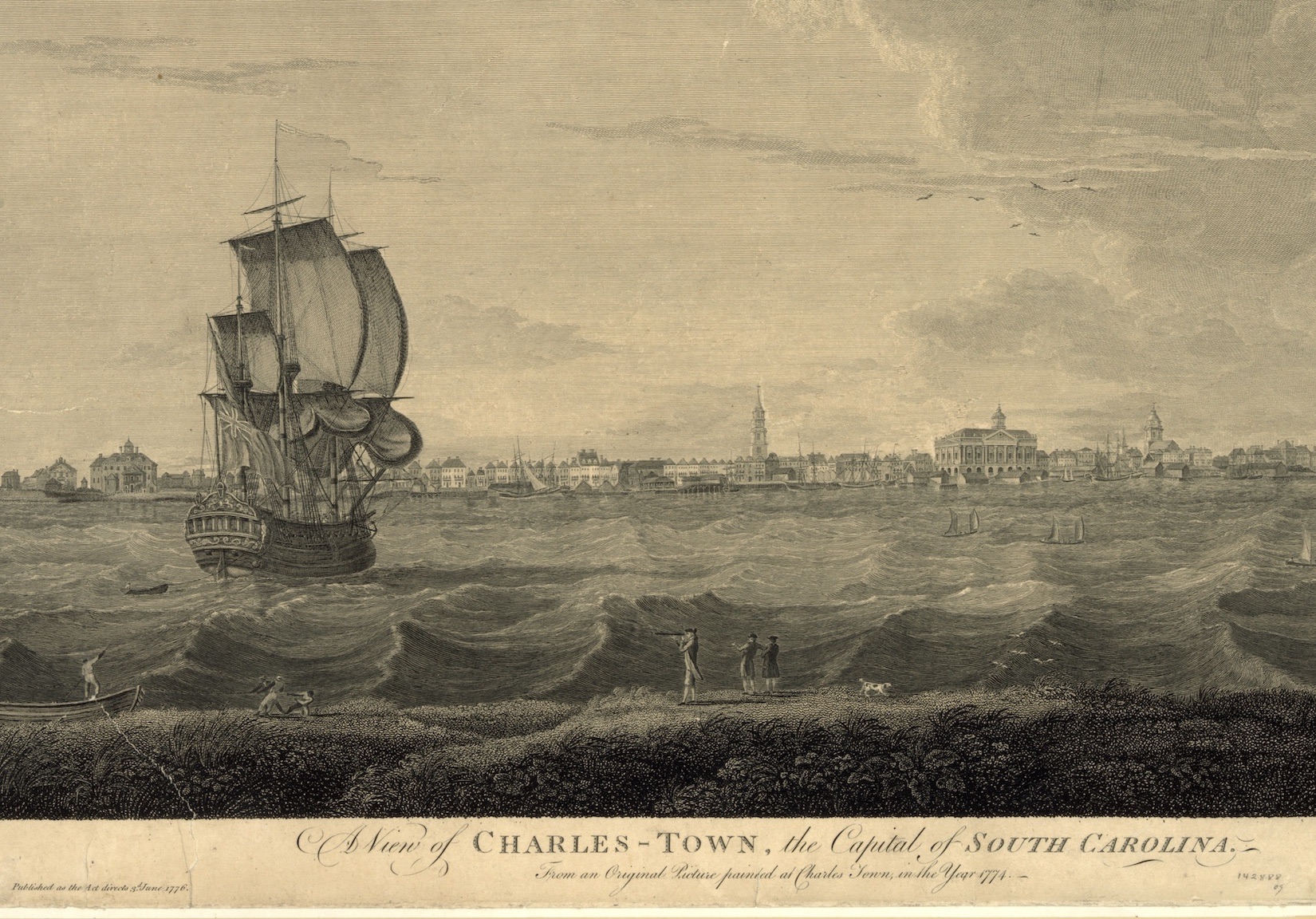
At the end of August, the rebel General Committee ordered the remaining non-Associators in Charleston to surrender their personal arms and confine themselves to their homes. The king’s officers held a private meeting on September 1st and jointly resolved to ignore the rebel order. Their refusal angered leaders of the rebel faction, who demanded the loyalists surrender their arms by the following afternoon. Rather than sacrifice his fashionable silver-hilted sword and pistols to the paranoid mob, Alexander Innes, the governor’s secretary, sent his arms aboard the Tamar on September 2nd, and informed the Council of Safety that he did so “to avoid all possibility of giving them offence.”[21] Innes’s imperfect compliance with the order did not satisfy the General Committee, who ordered him, the following evening, to depart from the province within twenty-four hours. Two agents of the Committee delivered this order to Innes, while another pair of bold rebels placed a copy directly into the hands of an ungrateful Governor Campbell.[22]
At that same moment, a civilian sloop in distress entered Charleston Harbor and anchored in Rebellion Road. On the morning of September 4th, Captain Thornbrough ordered his men to weigh anchor and shift the Tamar “further down the road.” The warship anchored anew one-half mile west of Sullivan’s Island, offering protection to the new arrival, and their joint movements attracted the attention of local rebels. At 2 p.m., the Tamar’s longboat, filled with fresh provisions from the town market, returned to the ship with a piece of disturbing intelligence. Crewmen climbing aboard the warship reported that an “armed schooner” with sixty rebel grenadiers on board was preparing to sail downstream towards the Tamar. Captain Thornbrough immediately ordered his men to clear the ship for action and stand ready at their quarters. One tense hour later, the rebel schooner streamed past the warship and anchored alongside the recently-arrived sloop, which the grenadiers immediately boarded and searched. Their target was not the king’s mariners, but a group of alleged deserters fleeing from Georgia, whom the rebels sought to interrogate and punish. While Captain Thornbrough and his men passively observed from the nearby deck of the Tamar, the rebels found the sloop empty, and surmised that the deserters had taken refuge aboard the king’s warship. The ship’s muster books and the officers’ logs contain no mention of their arrival, but Thornbrough likely assumed that the Americans would not dare attempt to search for their prey aboard the Tamar. Instead, the rebel mariners cut the anchor cable of the Georgia sloop and towed the abandoned vessel to town as a prize of war.[23]
Fearful of rebel retaliation, crewmen aboard the Tamar unmoored their ship on September 5th, secured rope “springs” to the anchor cable, and cleared the deck for action. Captain Thornbrough and his subordinate officers kept a vigilant watch through the ensuing night, having received “information that the Provincials was determined to surprise the ship if possible.” Under cloudy skies and drizzling rain the following day, the captain welcomed aboard Alexander Innes, who had removed his belongings from the governor’s mansion and fled to safety of the Tamar for his personal protection.[24]
Shortly after sunrise on the morning of September 7th, mariners within Charleston Harbor observed an unfamiliar ship beyond the bar, firing the customary signal guns to summon a local pilot. Those who raised a spyglass to identify the vessel noted immediately the long, swallow-tailed pennant of the Royal Navy flying atop the mainmast. This was the Cherokee, an unconventional British warship dispatched to the American colonies on a voyage of discovery. Its arrival coincided with the collapse of the king’s authority in South Carolina, however, and Governor Campbell immediately drafted the Cherokee into military service. Tune in next time, when we’ll follow the governor midnight flight to the Tamar and chart their efforts to maintain control of Rebellion Road.
[1] Throughout this essay, I have extracted descriptions of Tamar-related actions, movements, weather conditions, and quotations from two sources at the National Archives, Kew: Captain’s log (Edward Thornbrough), Tamar, 1775–76, ADM 51/968; and Muster books, Tamar, 1775–77, ADM 36/7697; and from the Lieutenant’s log (Joseph Peyton), Tamar, 1775–76, ADM/L/T/6 at the Caird Library and Archives, National Maritime Museum, Greenwich.
[2] South Carolina and American General Gazette (hereafter SCAGG), 30 June–7 July 1775, page 3.
[3] SCAGG, 7–14 July 1775, page 3. In this except and in other quotations throughout this essay, I have added punctuation to clarify the meaning of the text, but retained the original faulty spelling.
[4] Lord William Campbell to the Earl of Dartmouth, 19 July 1775, in K. G. Davies, ed., Documents of the American Revolution, 1770–1783, volume 11 (Dublin: Irish Academic Press, 1976), 49–53.
[5] Narrative of George Milligen, 22–23 July 1775, and Lord William Campbell to the Earl of Dartmouth, 23 July 1775, in Davies, Documents of the American Revolution, 11: 54–55, 111–12.
[6] See John Drayton, Memoirs of the American Revolution, volume 1 (Charleston, S.C.: A. E. Miller, 1821), 315; Narrative of George Milligen, 22–23 July 1775, and Lord William Campbell to the Earl of Dartmouth, 23 July 1775, in Davies, Documents of the American Revolution, 11: 54–55, 111–12; Kinloch Bull Jr., The Oligarchs in Colonial and Revolutionary Charleston (Columbia: University of South Carolina Press, 1991), 238; Edward Thornbrough to Admiral Graves, 29 July 1775, in William Bell Clark, ed., Naval Documents of the American Revolution, volume 1 (Washington, D.C.: U.S. Government Printing Office, 1964), 1008–9.
[7] Lord William Campbell to the Earl of Dartmouth, 23 July 1775, in Davies, Documents of the American Revolution, 11: 54–55.
[8] Lord William Campbell to the Earl of Dartmouth, 19 July 1775, K. G. Davies, ed., Documents of the American Revolution, 1770–1783, volume 11 (Dublin: Irish Academic Press, 1976), 51.
[9] These movements are described in the abovementioned logbooks; see also SCAGG, 21–28 July 1775, page 3; Edward Thornbrough to Admiral Graves, 29 July 1775, in Clark, Naval Documents of the American Revolution, 1: 1008–9.
[10] “Narrative of Vice Admiral Samuel Graves,” 21 May 1775, in Clark, Naval Documents of the American Revolution, 1: 500–1.
[11] “Narrative of Vice Admiral Samuel Graves,” 29 June 1775, in in Clark, Naval Documents of the American Revolution, 1: 775–76. Note that the Admiralty had in mid-April 1775 forwarded to its North American captains these copies of the Restraining Acts and the extension of the Order in Council; see in Clark, Naval Documents of the American Revolution, 1: 453–54.
[12] Lord William Campbell to General Thomas Gage, 29 July 1775, in in Clark, Naval Documents of the American Revolution, 1: 1007–8.
[13] Two letters describing Walker’s ordeal, both dated 13 August 1775, appear in Joseph W. Barnwell, ed., “Correspondence of Arthur Middleton,” South Carolina Historical and Genealogical Magazine 27 (July 1926): 125–26, 128–29; see also “Narrative by George Milligen,” in Davies, Documents of the American Revolution, 11: 112–13; Keith Krawczynski, William Henry Drayton: South Carolina Revolutionary Patriot (Baton Rouge: Louisiana State University Press, 2001), 196.
[14] “Narrative by George Milligen,” in Davies, Documents of the American Revolution, 11: 112–13. Note that the extant muster books and officers’ logbooks of the Tamar do not mention the brief tenure of George Milligen aboard that ship.
[15] SCAGG, 18–25 August 1775, page 1.
[16] SCAGG, 18–25 August 1775, page 1.
[17] For more information about Thomas Jeremiah, see William R. Ryan, The World of Thomas Jeremiah: Charles Town on the Eve of the American Revolution (New York: Oxford University Press, 2010); William J. Harris, The Hanging of Thomas Jeremiah: A Free Black Man’s Encounter with Liberty (New Haven, Conn.: Yale University Press, 2009).
[18] Lord William Campbell to the Earl of Dartmouth, 19 August 1775, in Clark, Naval Documents of the American Revolution, 1: 1184–86.
[19] Peter Timothy to William Henry Drayton, 22 August 1775, in R. W. Gibbes, ed., Documentary History of the American Revolution (New York: D. Appleton & Co., 1855), 155–56.
[20] Lord William Campbell to the Earl of Dartmouth, 31 August 1775, in Davies, Documents of the American Revolution, 11: 93–98.
[21] Alexander Innes to Henry Laurens, President of the Council of Safety, 2 September 1775, in David R. Chesnutt, et al., eds., The Papers of Henry Laurens, volume 10 (Columbia: University of South Carolina Press, 1985), 361.
[22] Lord William Campbell to the Earl of Dartmouth, 19 September 1775, in Davies, Documents of the American Revolution, 11: 116–18; and K. G. Davies, ed., Documents of the American Revolution, 1770–1783, volume 10 (Dublin: Irish Academic Press, 1976), No. 322i (page 84).
[23] Henry Laurens to William Erven, 5 September 1775, in Chesnutt, Papers of Henry Laurens, 10: 367.
[24] Besides the abovementioned logbooks, see Lord William Campbell to the Earl of Dartmouth, 19 September 1775, in Davies, Documents of the American Revolution, 11: 116–18.
NEXT: The Collapse of British Rule in South Carolina, September 1775
PREVIOUSLY: The Flight of Sampson the Pilot in the Summer of 1775
See more from Charleston Time Machine